Landscapes for Ghosts. Interferences in a Terminal Image
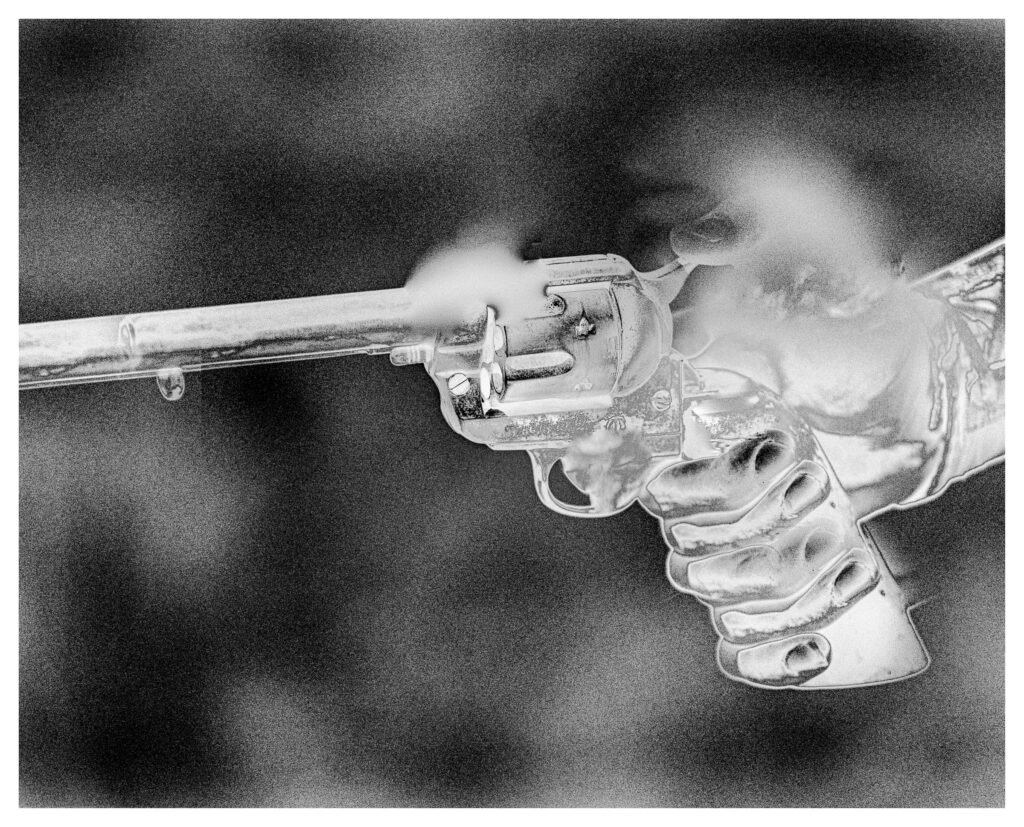
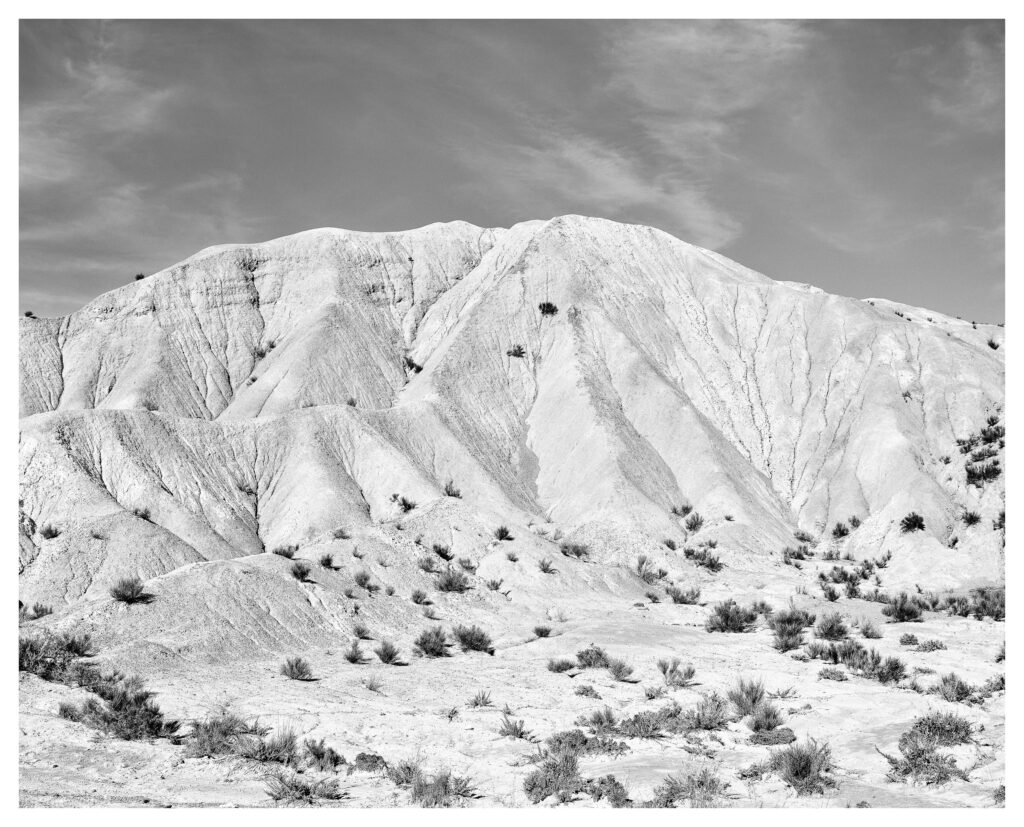
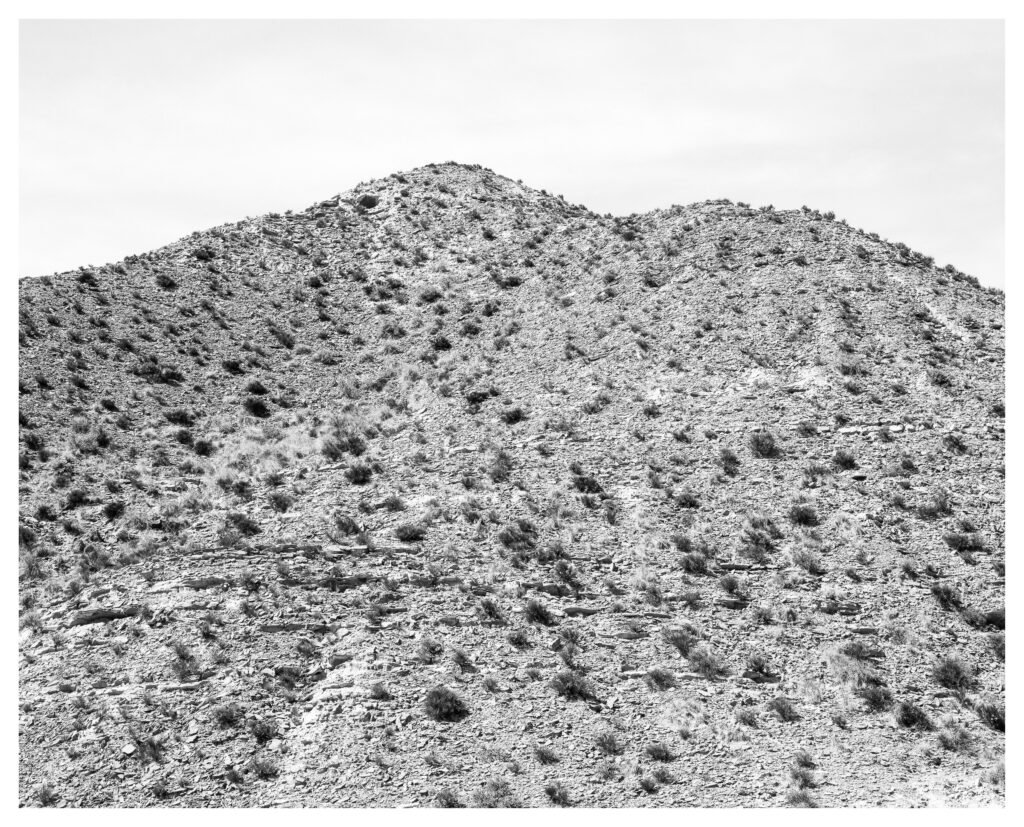
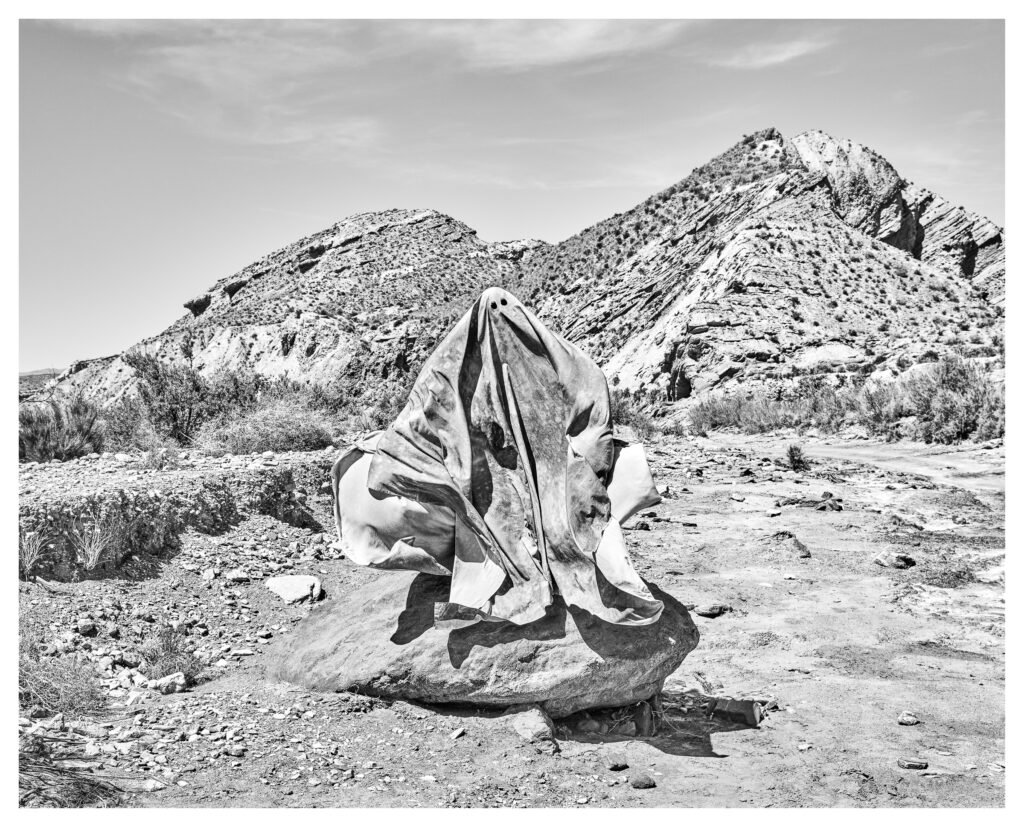
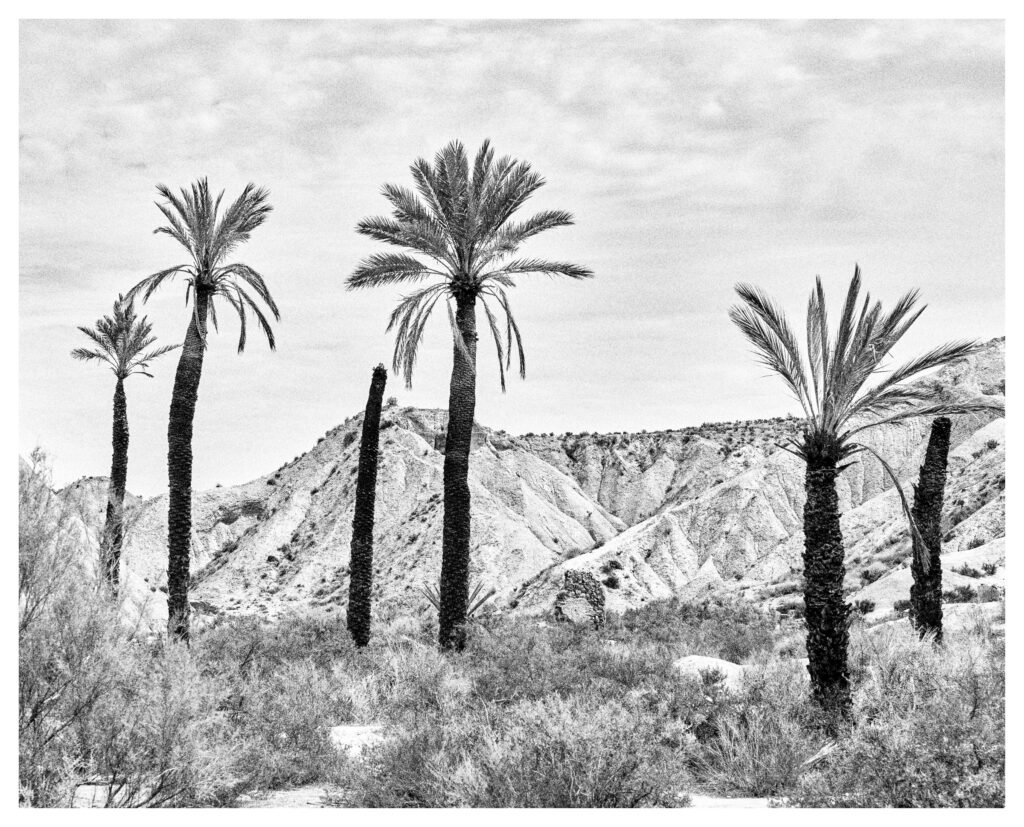
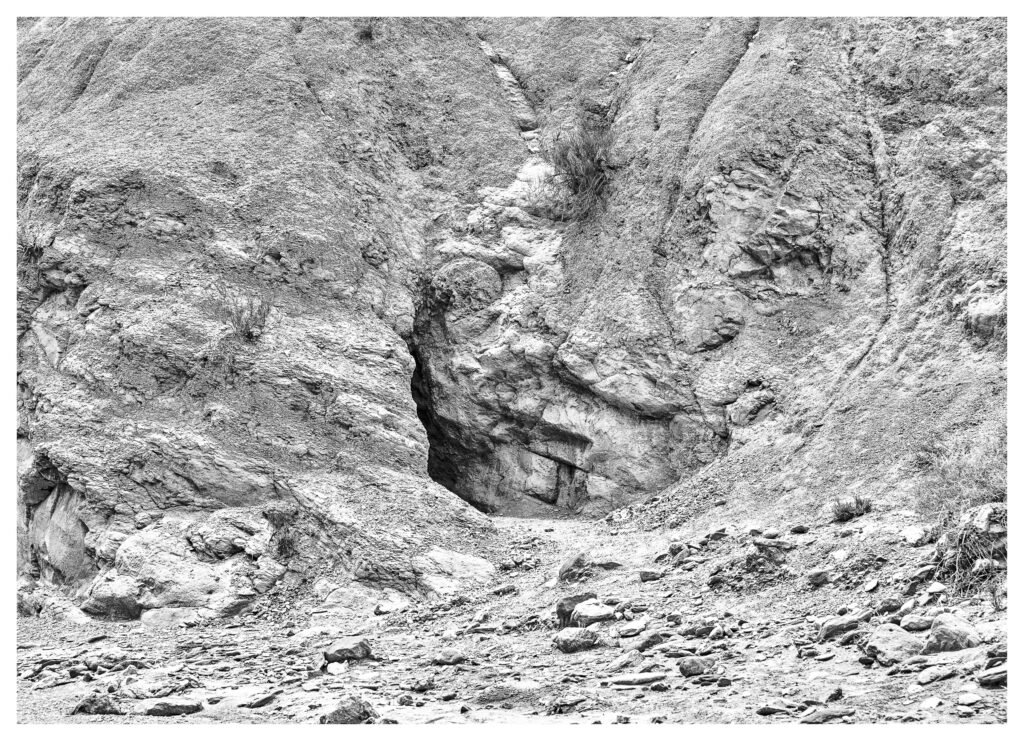
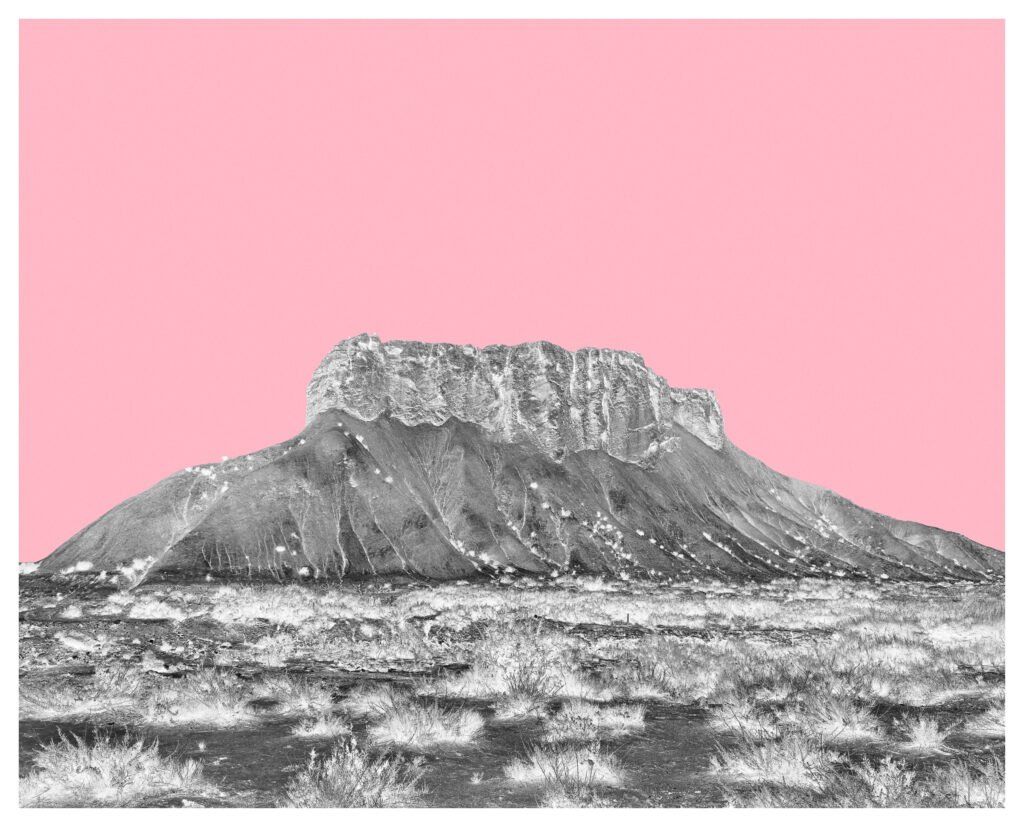
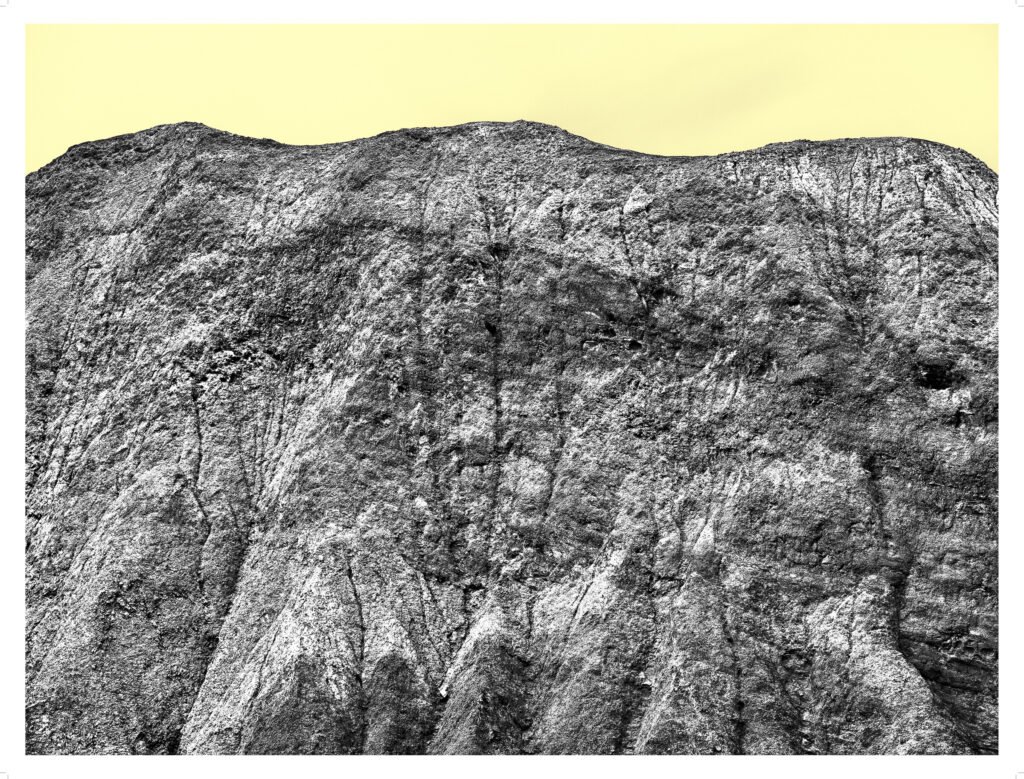
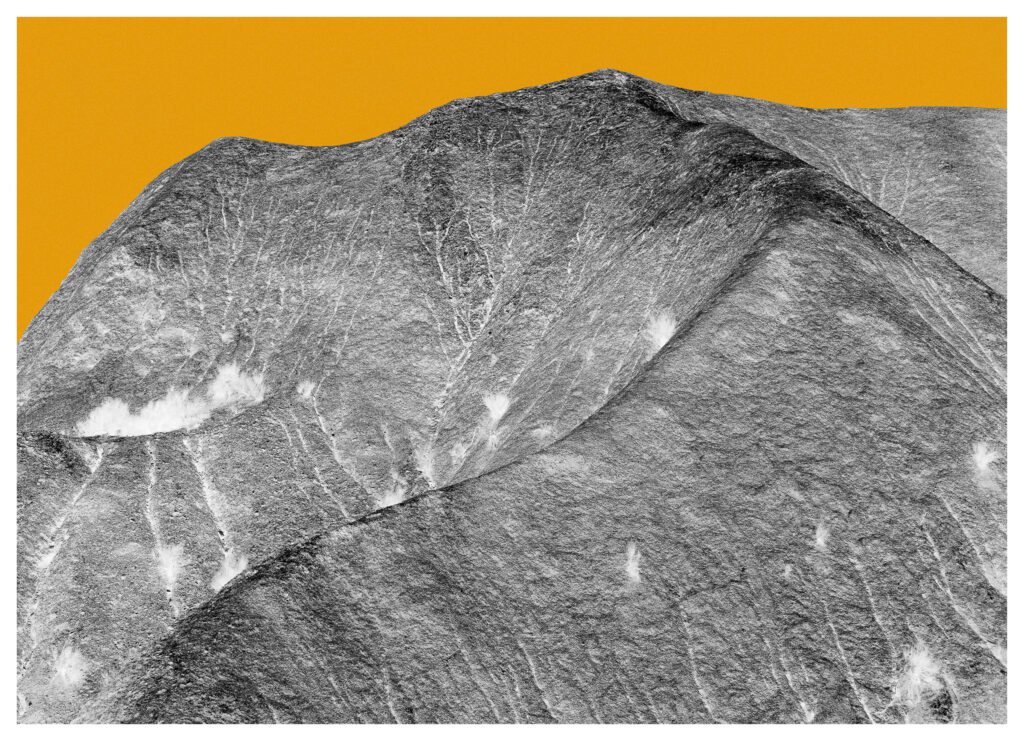
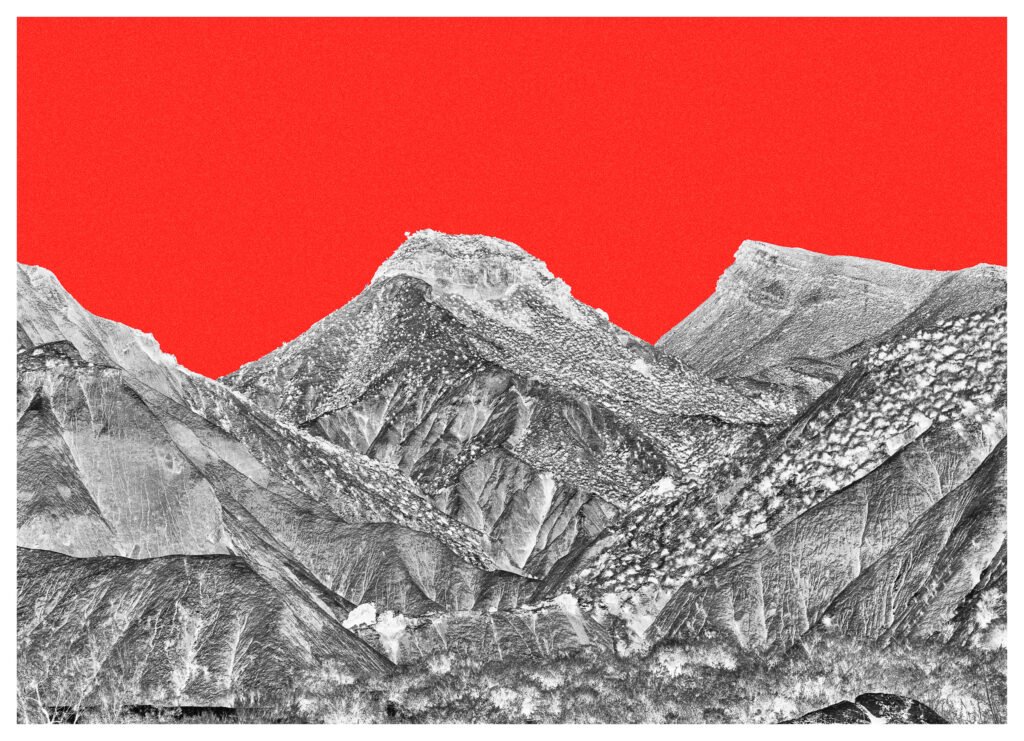
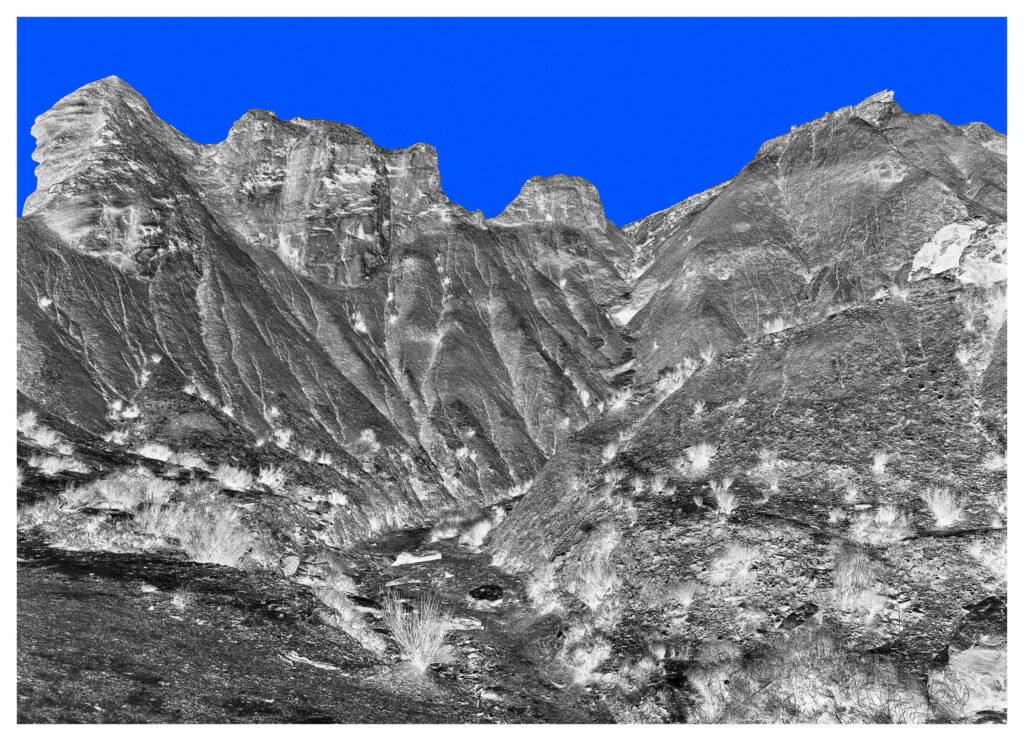
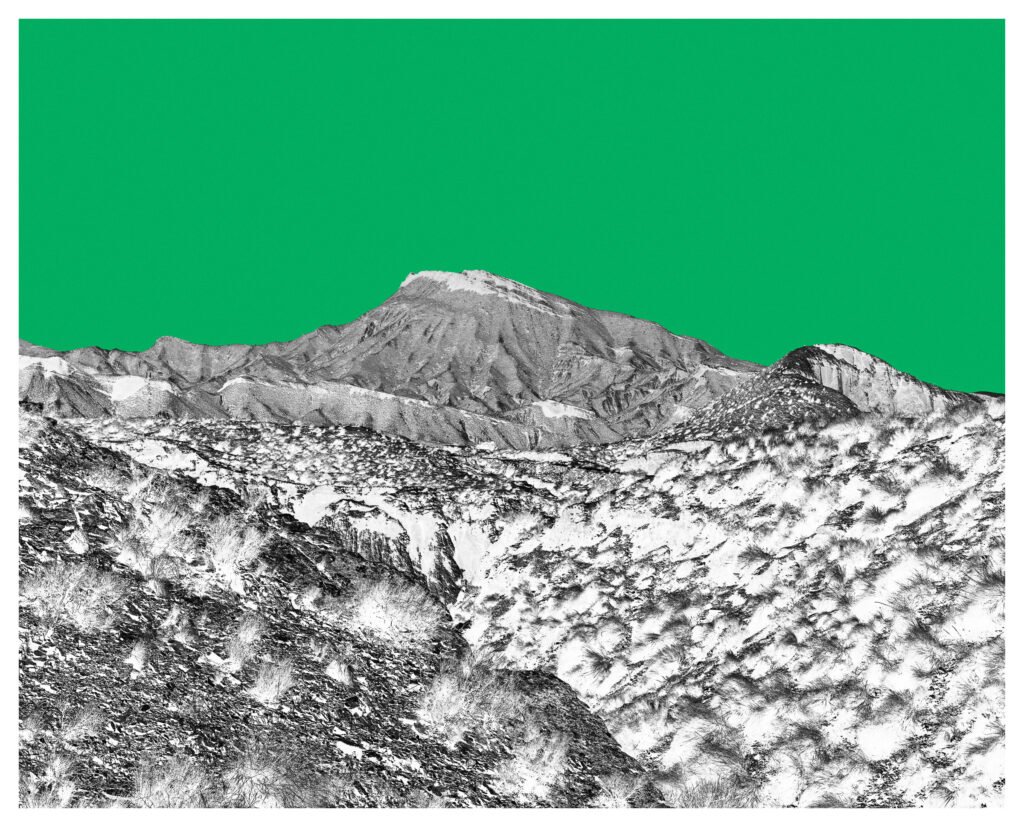
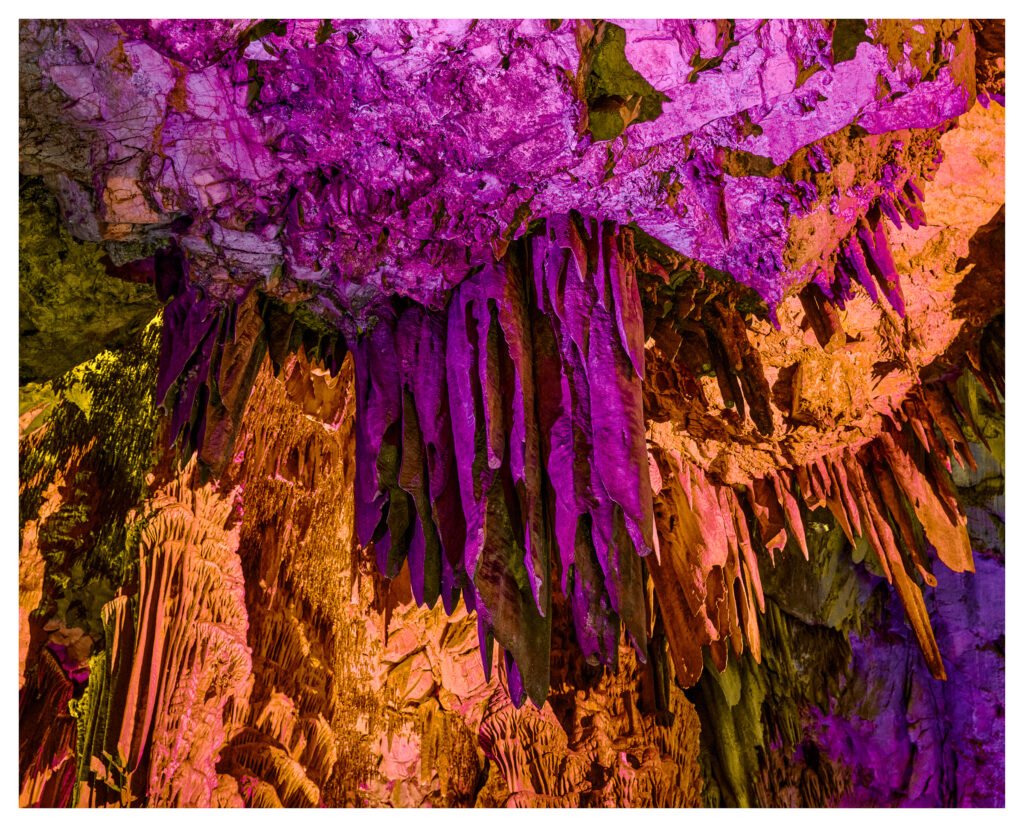
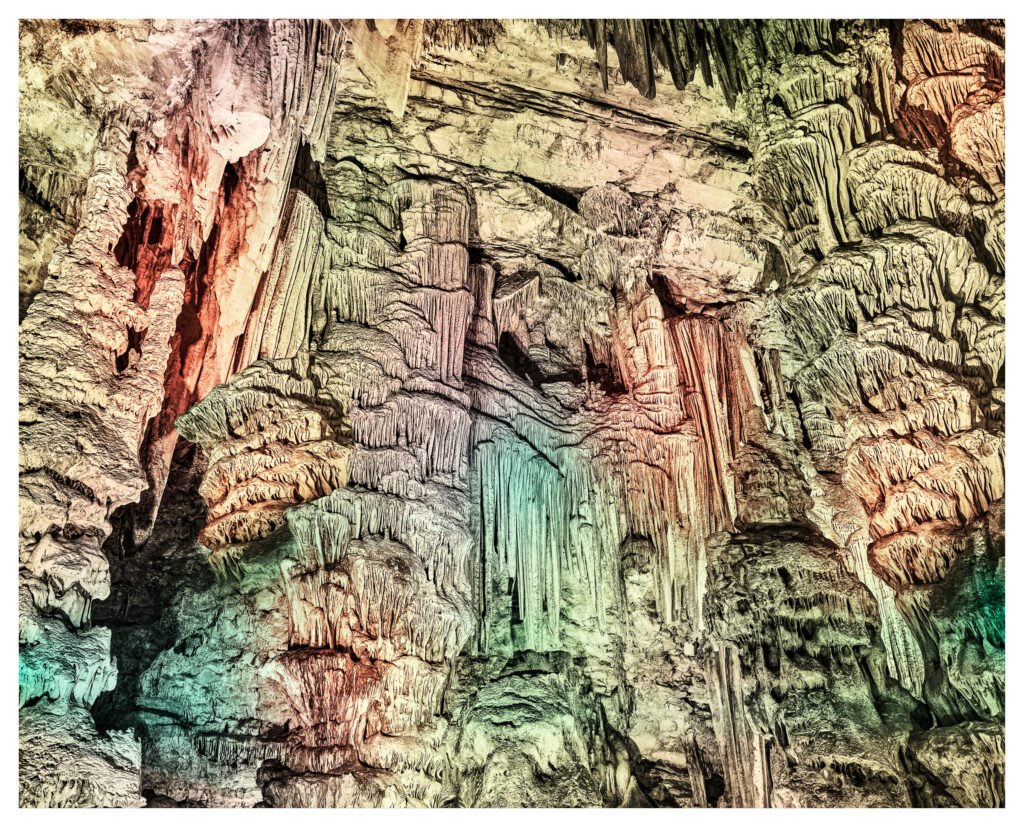
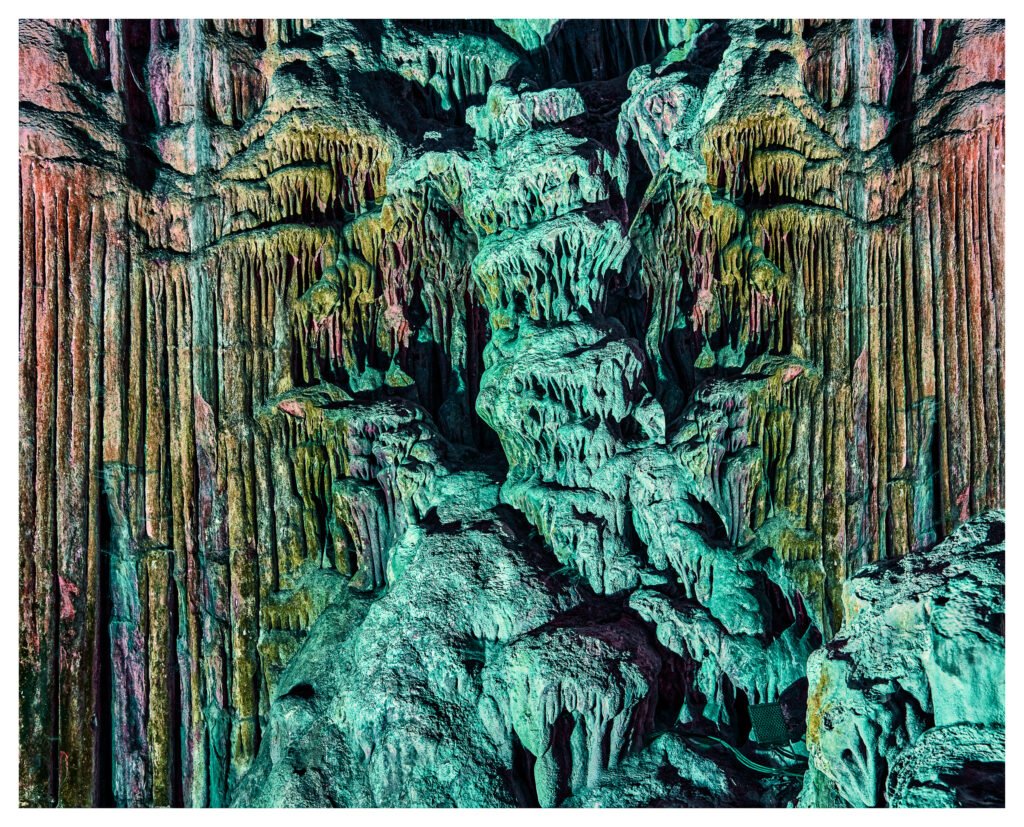
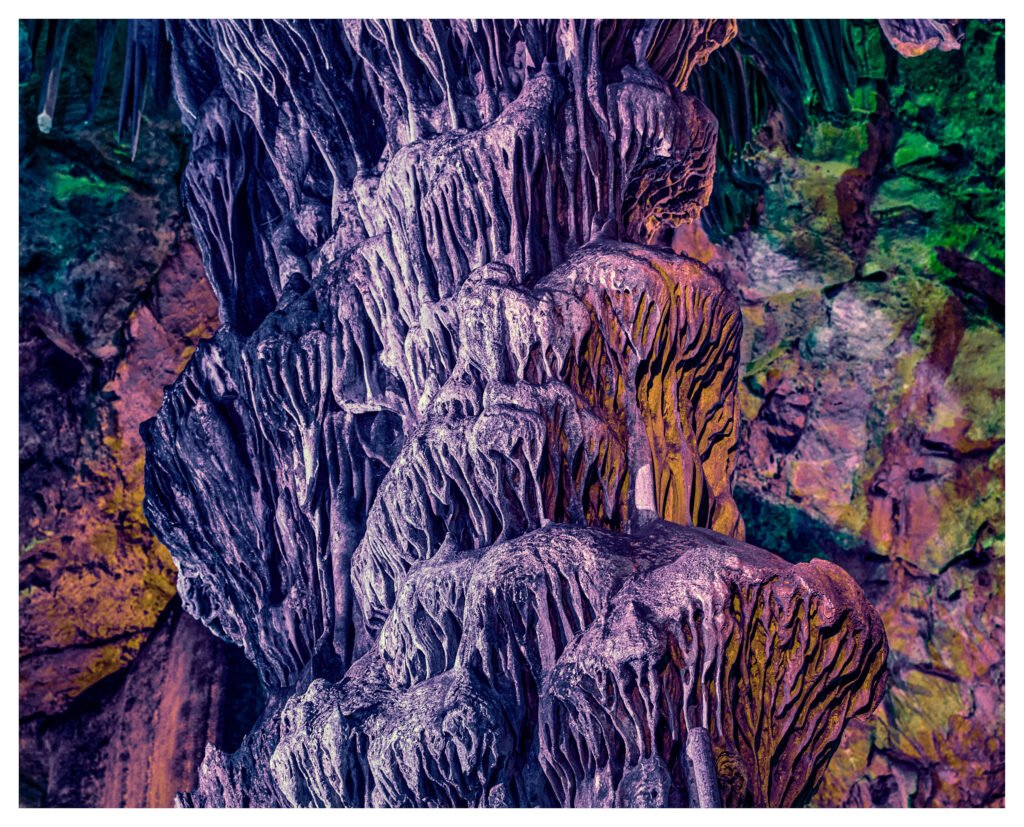
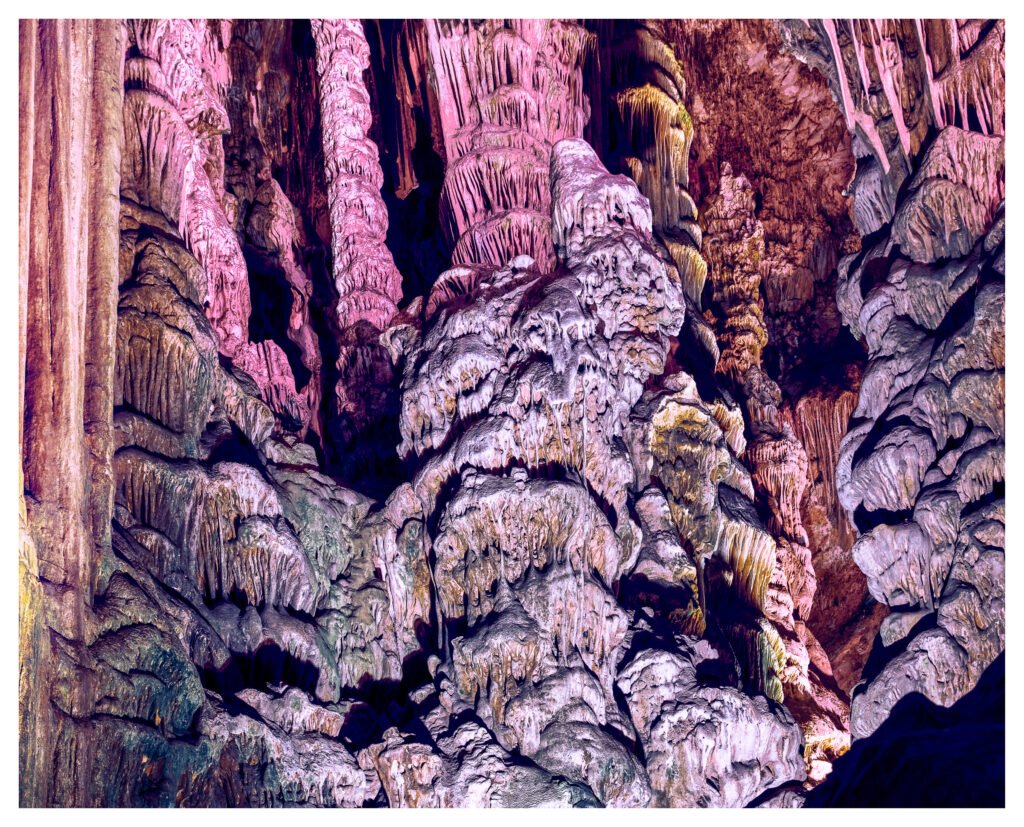
There is a ghost wandering among Simone Bergantini’s photographs. It carries no message of redemption. It does not ask to be summoned to exact revenge or to reconcile with the living. It is a figure that occupies the visual space like a residual wreck, a trace of something that has always been present but has manifested itself at will. Its appearance is a silent infection spreading from the image toward the viewer, a crack in the glossy surface of the representation that tells the story of those who sought to create it. In these desert visions, in the colorful caves that Bergantini photographs as caverns of a social network in a state of turmoil, one senses a feeling of catatonic suspension. There is no heroism in the choice of locations: rather, the awareness of a terminal landscape, an ecology of waste that merges with personal memory. The Spanish desert of Tabernas—a fake backdrop for Westerns and second-hand cinematic ventures—becomes a metaphor for an elsewhere where the illusions of youth have crystallized into plastic. The Cave of St. Michael in Gibraltar, illuminated by artificial lights simulating a spectacular aura, resembles a set for a reality show whose rules no one remembers anymore. Yet, precisely in these contaminated and inauthentic landscapes, Bergantini’s specter haunts the scene like an unresolved desire. A white flag raised in surrender. While trying to defend himself against the intrusion of what he perceives as false, he refuses to admit that every image—even the sharpest, most muscular, highest-resolution one—has already been colonized by an indeterminate elsewhere. The era of the creators of content has shattered the notion of the author as the guarantor of meaning. Photography, even artistic photography, generates layers of polystyrene, shards of pixels that mimic rock and memory. Like in a mockumentary, where the impression of reality is constructed, Bergantini’s image mimics the language of truth only to reveal its failure. Yet, behind that white flag, a glimmer of resistance can be glimpsed, as if a fragment of will had survived the surrender. Perhaps there is still room for change. In his photographic journey—which is also a rite of passage—the artist encounters obstacles and detours.
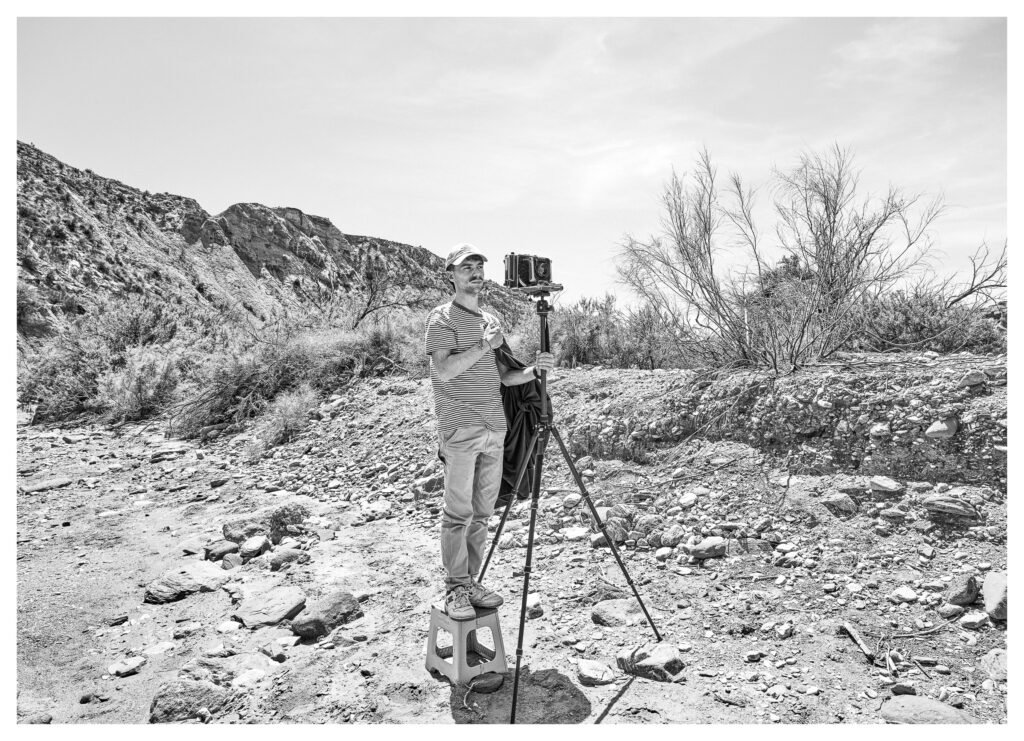
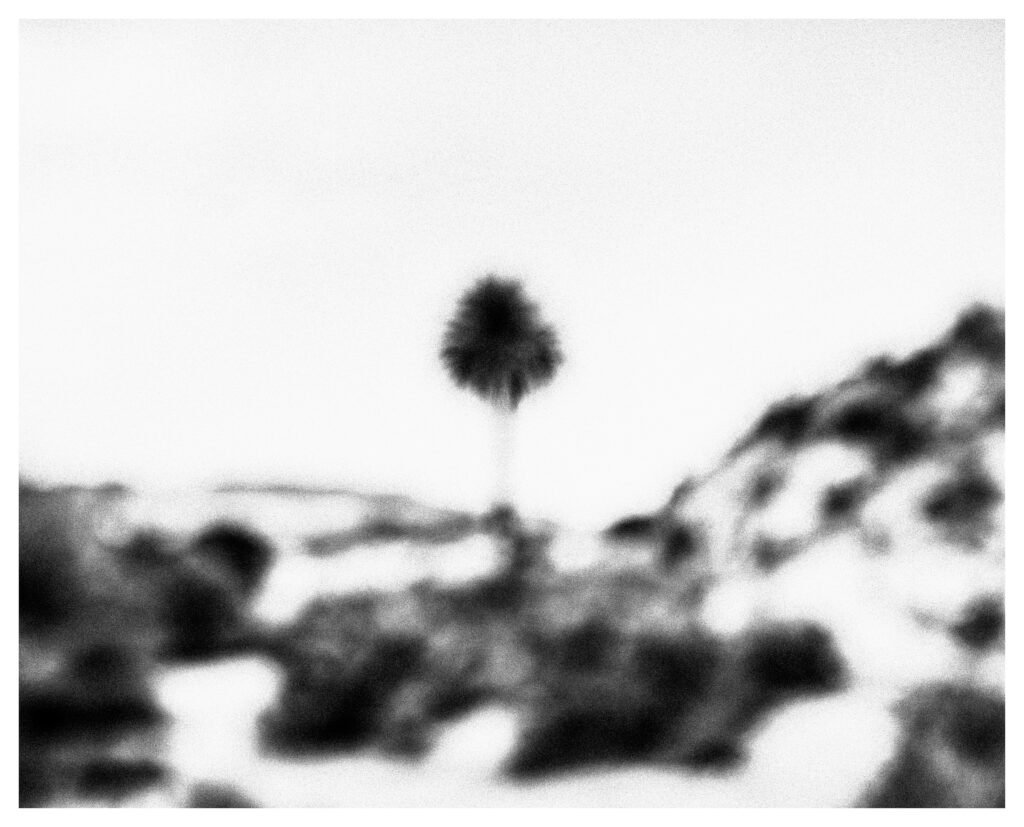
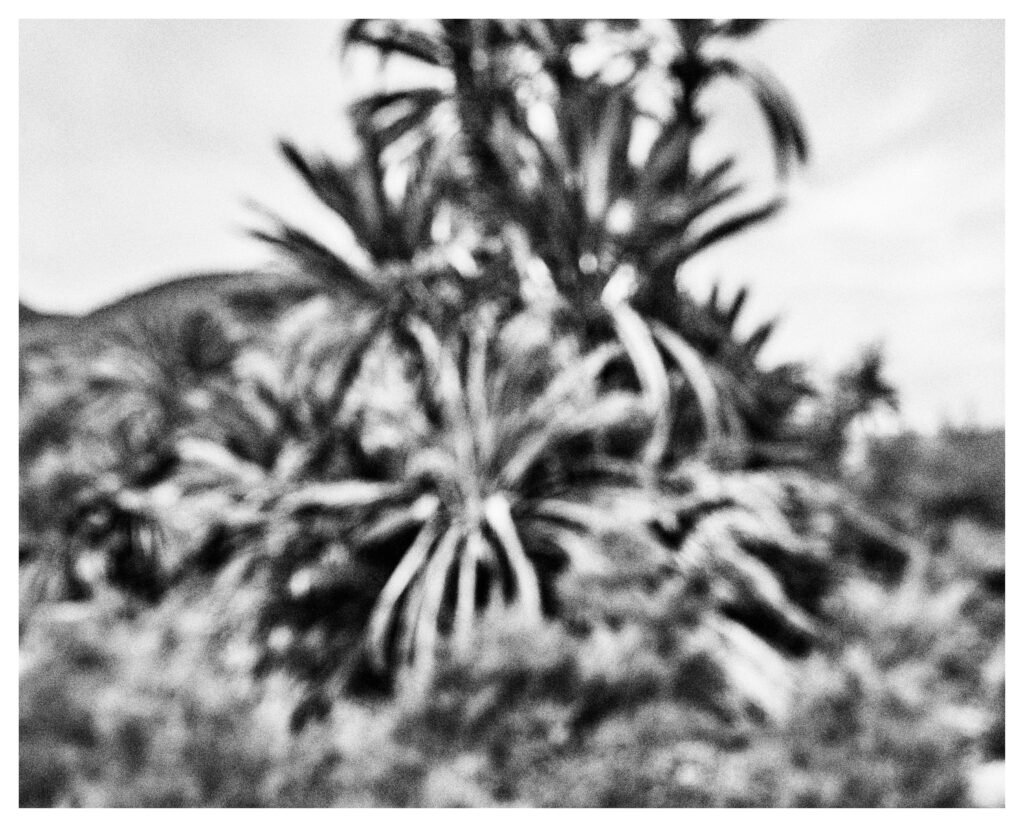
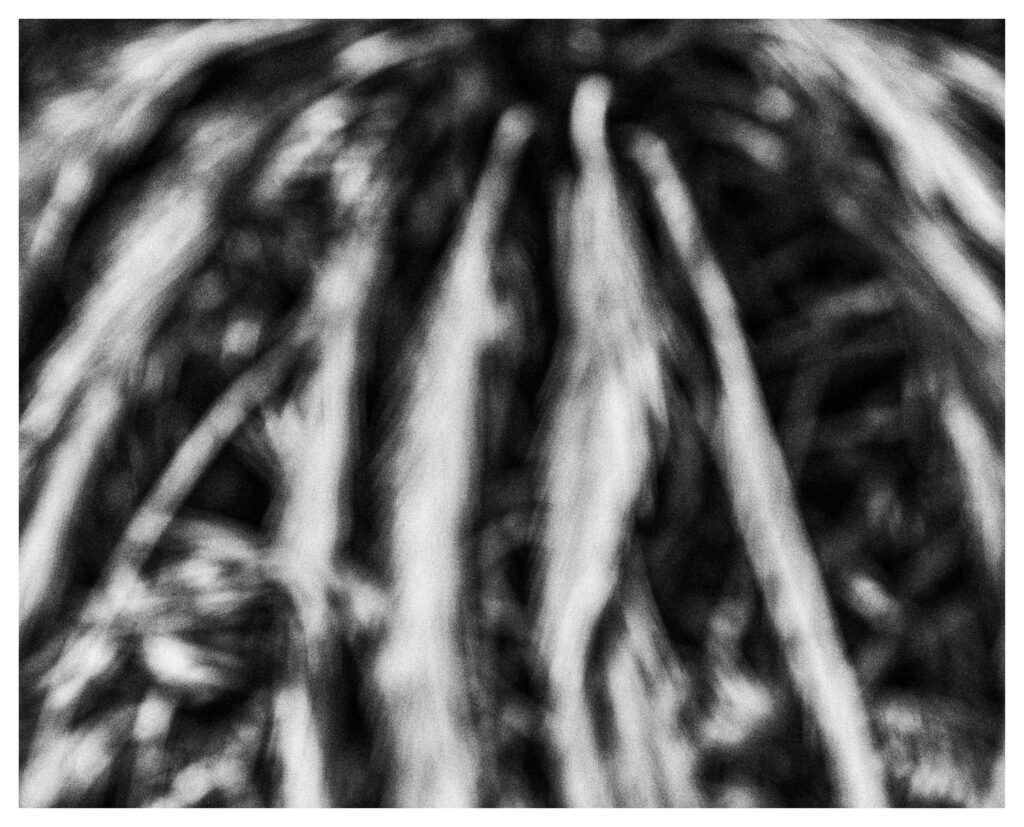
The path, initially linear, blurs here into a pictorial drift, until every point of reference dissolves. It is in this disorientation that the residual presence manifests itself, like an epiphany of what had always been hidden within the image. It comes across as a sense of melancholic, almost chronic drifting. An underlying weariness, as if photography had become a rite of passage in a land without borders. Bergantini’s young alter ego—a student whom the artist brought with him to the desert to embody himself at the age of twenty—emerges like a mirage. That dreamer, full of expectations, as he walks his path, gets lost among the sands and caves, on a journey that gradually fades into the distance. The illusion of the oasis, the cave promising shelter, the sky saturated with colors stolen from websites: every element of the scene is a contaminated fragment, an echo of an image already seen and metabolized in some other context, but one that becomes the present of the author (and the viewer) as they age. Dressing the ghost is another student wearing a photography studio backdrop, one of those hand-painted cloths the artist had already used in the series Pelli di Seppia (2022). These are the same backdrops that, between the 1970s and 1980s, were used in small provincial studios as backgrounds for family or group portraits. Their performative reuse traverses the history of the image and reaffirms a practice dear to Bergantini: to incorporate, in every project, a detail that has survived from a previous work, like a secret thread of continuity. The abstractions that layer upon these backdrops, along with the blurring that affects some photographs in the series, evoke his early pictorialist explorations, first experimented with in 2008.
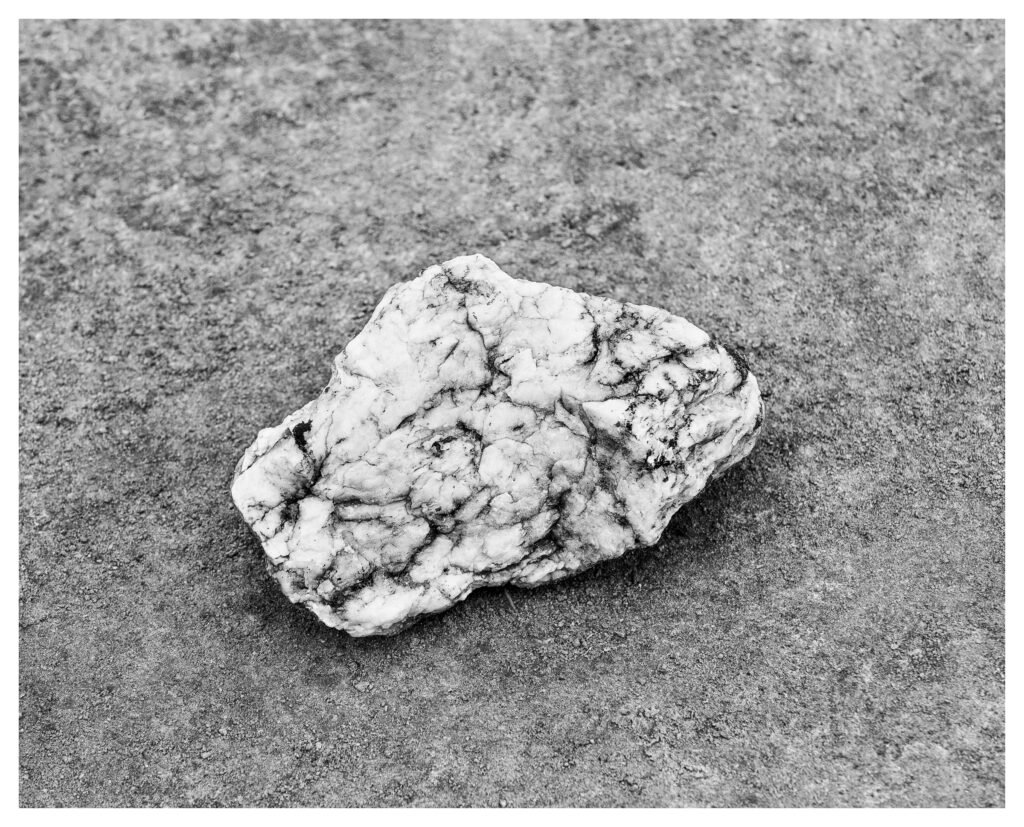
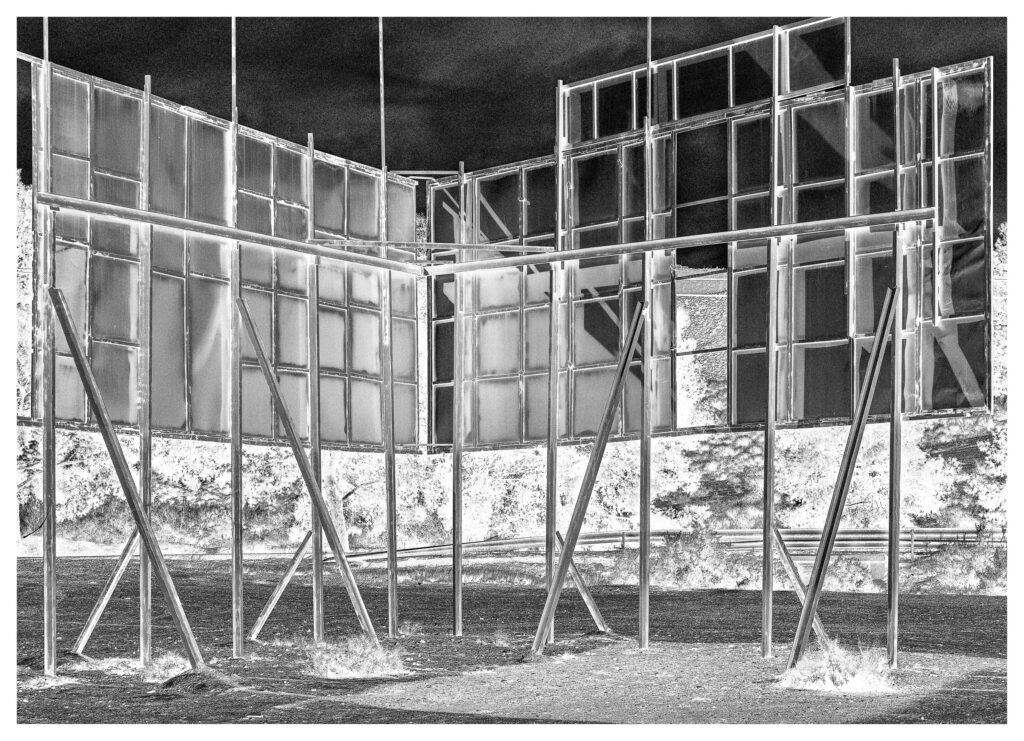
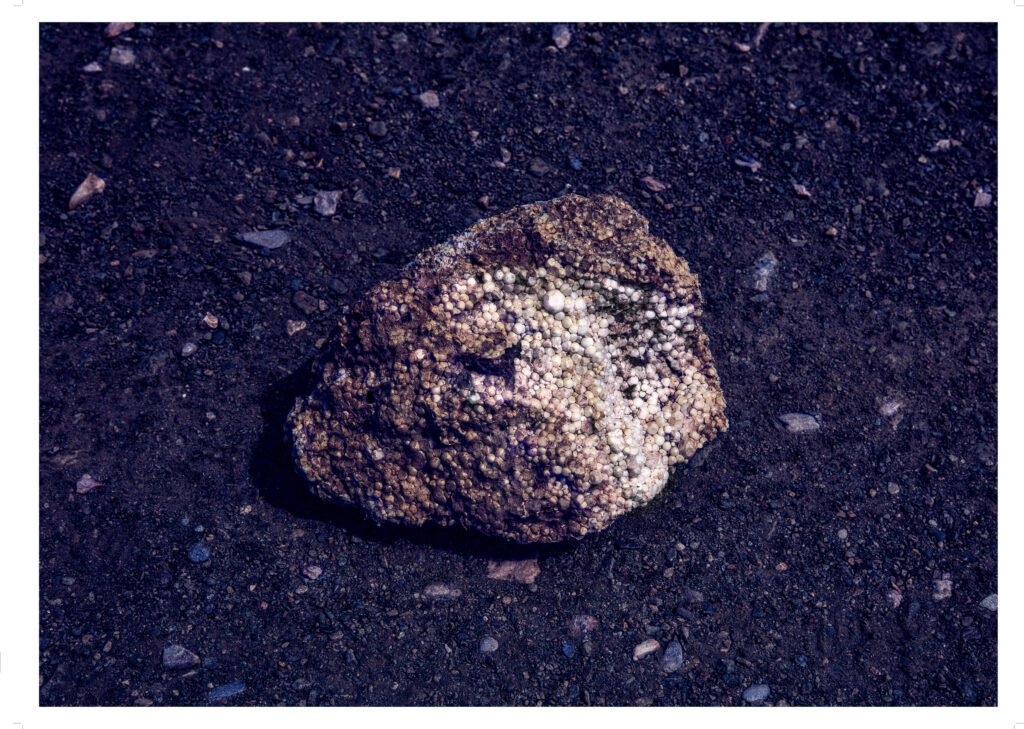
In the project Landscapes for Ghosts, the view camera—a theatrical apparatus that evokes the analog era and the myth of pure art—is merely a prop. A relic that declares its own operational uselessness. It is the shadow of an era in which photography still held the promise of authenticity. The paradox is fulfilled in the act of continuing to take ultra-high-definition digital images: as if the obsession with detail were the last defense against the rampant infiltration of the fake into a reality that has become entirely gaseous. But this same hyperrealistic tension becomes grotesque when it ends with the polystyrene-stone found in the desert. A fake stone in a real place: the emblem of a planet where culture produces waste rather than pyramids, microplastics instead of monuments. The system itself thrives on confusion: incompatible realities coexist, and the distinction between true and false becomes irrelevant. The enigma of the phantom in a contaminated reality also evokes the Luther Blissett case: a multiple and strategically fictitious identity, used to sabotage the very mechanisms of media truth. As in the pranks of the collective of the same name, in Bergantini’s work too, truth is not declared, but staged, sabotaged. The fake becomes a critical device, a way to defuse the illusion that reality has ever been pure. Or perhaps there was a moment when it was? It is also a way to give oneself a pinch, to try to awaken from a collective trance. In an era in which the entire realm of social reality seems subject to a hypnocratic mutation, the technologies of digital capitalism operate as devices of induction, producing not only images but altered states of consciousness. Social networks no longer communicate: they sell dreams, orchestrate thresholds of perception, and generate forms of lucid dreaming that we call “presence.” In Nutrire, a text written to accompany this photographic project, Bergantini describes his poetics of visual nourishment as if it were a diet, a daily struggle against the perceptual bulimia that digital capitalism injects into every gaze. Images, like food, become cognitive calories: carb-images that provide superficial energy, protein-rich images that build critical mass, saturated fats that dull perception. But at the end of the process, nausea remains. The emerging doubt is that the very hunger that drives us to consume images is artificially induced by automated hypnotic techniques, as a symptom of a broader infection. Mark Fisher called “capitalist realism” his conviction that there was no alternative to this form of collective hypnosis. In Landscapes for Ghosts, the same belief manifests itself in the form of a desert of attention, a place where the image is at once toxic nourishment and a salvific mirage. Contamination is the hallmark of this work. Not only because plastic blends with rock, the set design with reality, the author with the content, but because every photographic gesture emerges as an action already compromised. Photography—like writing—is an exercise in presence in a world where presence itself has evaporated or is, in any case, destined to evaporate. The theme of failure runs through Bergantini’s project like a persistent subtext. The failure of photography as a profession—the village or neighborhood studio that no longer guarantees an income—and the failure of art as a space for difference. “Perhaps I cannot make a difference, but I can certainly be honest with myself,” writes Bergantini. And this honesty is perhaps the only remaining antidote against the proliferation of ultra-processed, optimized for engagement, stripped of any depth. The photographer venturing into the desert is not seeking the truth: he is seeking a landscape where he can still feel the strain of the gaze. In the photographs of Landscapes for Ghosts, almost everything is real, but this reality is contaminated by a dimension that resembles a dream. The colorful cave—a symbolic refuge within the phone—is the opposite of a shelter: it is an illusion of community that turns into isolation. The skewed scale, inverted skies, and synthetic lights are details that destabilize perception, as if the image were afflicted by a chronic illness. An illness that blends the echo of personal ghosts (the father’s illness) with the sensation of belonging to a world that can no longer distinguish between authenticity and simulacrum. In this sense, the contaminated graft is no accident: it is the very substance of the image. It is the penetration of the afterlife—the realm of ghosts and debris—into the present. A form of symbolic pollution that spreads through every pixel, every hyper-defined detail. Bergantini’s work navigates the fine line of this ambivalence, between the desire to feed on images, the awareness that every image is already compromised, and the stubborn determination to keep photographing as an act of resistance.
Yet something has changed in recent years, and it is perceptible in this project as well: Simone is no longer alone on the scene. As he looks back and views things in perspective, he brings his students along with him—those who are absorbing the seeds of his photographic vision. The drift through the desert also becomes a generational handover. A handover in which Bergantini cannot forget all the contradictions that photographic remediation carries with it in the transition from the 1990s to the second quarter of the 2000s. The unreal nature of latent spaces—a condition that Grégoire Chatonsky defines as the emergence of artificially generated images, which belong neither to the real nor to the virtual but to a plane of indeterminacy—brings a profound crisis to photography⁴, even darker than that generated by the platforms of surveillance capitalism⁵. It fear that photography can no longer be a science of the real, and perhaps not even a language of truth. Those who, like Bergantini, have worked and continue to work along the boundary between the unreal and the real, move through a landscape of ghosts that is an inevitable terrain of contaminated infections, a space where personal memory and collective history blend until they become indistinguishable. Here, the fourth memory also comes into play, another concept by Chatonsky. This is the memory formed through the automatic archiving and algorithmic reshuffling of images, capable of incorporating fake content and contaminating the space of perceived reality⁶. In this territory, surrender becomes a wrenching political act: the individual, deprived of a supportive community, ceases to defend against contamination and accepts that the only honest gesture is to bear witness to the process of decomposition. But are surrender and hybridization inescapable experiences for everyone, or only for those who still believe that photography can remain a language of truth? Looking at the images in Landscapes for Ghosts forces us to accept that we are contaminated in turn. To recognize that what is condensed there are not only Bergantini’s private ghosts, but also a new relationship with the false, with the shadow of the fake that has merged with the very substance of the photographic. The fourth memory Chatonsky speaks of—that memory which archives and reshuffles everything, producing an archive with no longer any hierarchy between document and simulacrum—creeps like a fog into the high-definition details of these images. It is a presence that erodes the boundaries between reality and fiction, between nostalgia and digital hyperproduction. It is a disease that emerged from photography and has spread into reality. In this terminal landscape, the hunger for vision is no longer merely an aesthetic impulse. It is a compulsive need that responds to an absence, to a void of meaning that no resolution can fill. Perhaps this is precisely the ultimate meaning of the project: to declare that contamination is not a pathology to be cured, but the only remaining habitat for those who continue to believe, with an almost anachronistic attachment, that art can still be an exercise in awareness, even if not in purity. Thus, the melancholy that surfaces in every print is not merely nostalgia for the analog and for photography as a science of the real. It is the perception of an irreversible short circuit, where the unreal contaminates the real. Perhaps surrender to this infection is not an inescapable experience for everyone, but it is for those who—like Bergantini—continue to defend photography tooth and nail, even as they recognize its gradual dissolution and its transformation into an instrument for propagating irreversible corruption. And in this extreme landscape—amidst deserts of pixels, plastic mirages, and synthetic memories—the only sustenance we can allow ourselves is melancholy: a bitter taste, yet so real…
Sara Benaglia.